
IoT Gateway Selection and Field Data Collection
IoT gateway takes on the task of collecting and transforming data between field devices and software. Taking a sensor's measurement, recording it with the correct unit, and preserving it in case of disconnection are separate requirements. The choice should not be made solely by the number of connection ports.
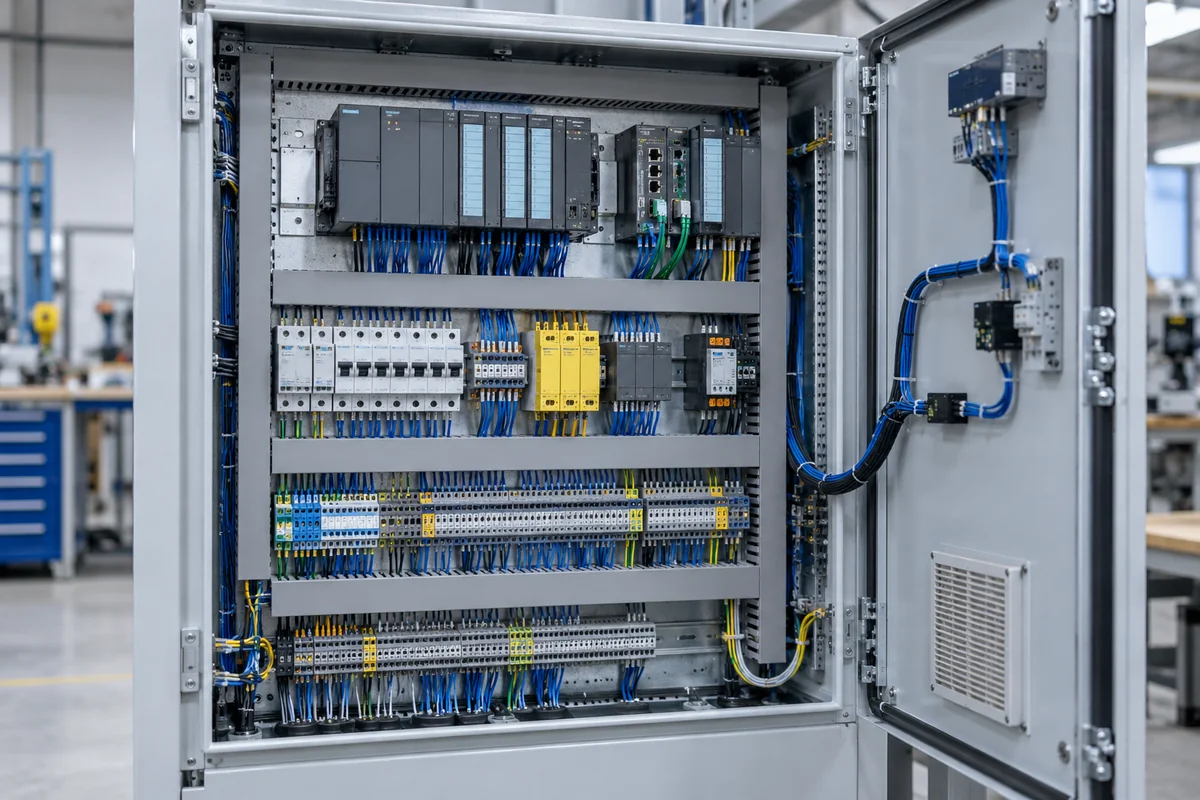
Field interface and data model
RS485 is the electrical communication layer; Modbus is one of the protocols that can be used on this line. Device address, speed, parity and data map must match. LoRaWAN requires different network components. Gateway support is validated with selected device models and versions.
Local buffer and timestamp
It is stated which data will be stored and for how long when the internet is interrupted. In reconnection, sequential transmission and duplicate record control are designed. The time to reach the server and the measurement time in the field may differ. Clock matching, non-volatile memory and data storage capacity are examined in the acceptance test.
Remote access and lifecycle
Authentication, encryption, and certificate management are evaluated in interfaces such as MQTT or HTTPS. Update, return, device inventory and authorization revocation are added to the maintenance scope. Instead of directly exposing field devices to the internet, a controlled gateway and access method is planned.
Technical questions and answers
Is the gateway a sensor?
It is usually the middle layer that collects data; Sensor measurement can be done on a separate device.
Is RS485 the same as Modbus?
No. One is the electrical interface and the other is the communication protocol.
Will data be lost when the internet goes out?
Depends on local buffer and persistent storage design.
Can it connect to any cloud?
API, data format and authentication conditions must be verified.