
What is Wireless Automation? Coverage, Latency
Wireless automation; It involves transferring specific sensor or device information over radio links. It can reduce the need for cables; However, it is not equally suitable for every facility and every control task. Technology selection is based on data needs and field conditions.
What does wireless connection change?
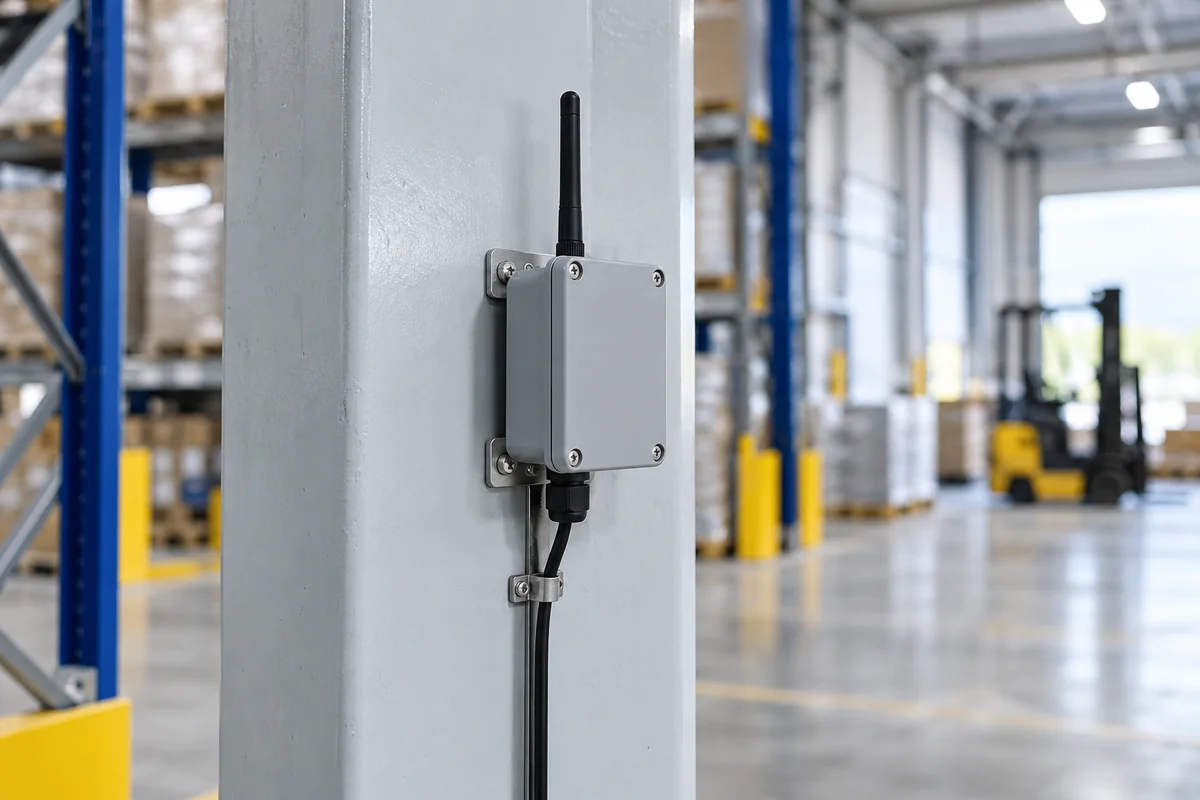
The bus may be wireless; Cables may also be required for power supply or other connections of the device. The roles of the gateway, receiver and software components should be clarified. Just because a wireless sensor sends data to the central display does not mean it can receive control commands. Monitoring and bidirectional control are defined as separate requirements.
Site coverage with catalog range
Metal surfaces, walls, equipment placement, and other radio systems may affect the connection. NIST's industrial wireless studies highlight the importance of evaluating the environment and interference. Therefore, open field range should not be guaranteed on-site. Field evaluation at installation points and trials under operating conditions provide more meaningful information in solution selection.
Data frequency, latency and power consumption
Hourly consumption recording and a quick check function do not have the same connection expectation. Shipping frequency and battery life should not be evaluated independently of each other. Battery life depends on device model, environment and usage pattern; An overall duration cannot be guaranteed. It should also be clearly defined how the final data will be displayed and what alert will be generated when the network connection is lost.
Compare wired and wireless options
Cable route, maintenance access, data amount, latency and growth need are considered together. In an example project, a wireless structure may be evaluated at a point where infrequent measurements are made, while a wired connection may be chosen at another point. It is not necessary to move all devices to one technology. Supported protocols, network management and device renewal responsibility should be specified in the proposal.
Technical questions and answers
Is the wireless system completely wireless?
Not always. Cables may be required for power supply, gateway or other equipment.
Does one wireless technology fit every project?
No. Data amount, latency, environment, power requirement and existing network infrastructure should be evaluated together.
How long is the range?
A reliable coverage distance cannot be given without examining the site. Catalog conditions and actual facility conditions may differ.
What does the system do when the connection is lost?
It depends on the device and architecture. Local recording, retransmission and connection loss alerts must be verified in technical context.